How to Track Traffic Properly in Affiliate Networks

Tracking traffic correctly in affiliate networks is crucial for performance marketing success. Whether you’re a beginner or a seasoned affiliate, understanding where your traffic comes from, how it behaves, and which campaigns convert best can make or break your profitability.

In this guide, we’ll explain how to set up proper tracking in affiliate networks, what tools to use, and how to optimize your campaigns using real data.


Why Proper Traffic Tracking Matters in Affiliate Marketing

Without accurate tracking, you’re essentially flying blind. Here’s why it’s important:

  • Optimize ROI: Know which sources generate the most revenue.

  • Detect fraud: Identify suspicious activity like bot traffic or click spamming.

  • Split testing: A/B test landing pages and creatives efficiently.

  • Better decisions: Spend your budget on what actually works.


Key Elements of Affiliate Traffic Tracking

To track traffic properly, you need to understand the essential elements:

1. Tracking Links

Affiliate networks provide unique tracking links. These links often include parameters (tokens) that capture traffic data such as source, ad ID, geo, device type, etc.

Example:

https://affiliate.network/offer?aff_id=123&source={source}&campaign={campaign}

2. UTM Parameters

UTM tags help track traffic in tools like Google Analytics.

Common UTM parameters:

  • utm_source

  • utm_medium

  • utm_campaign

  • utm_content

  • utm_term

3. Postback URLs (Server-to-Server Tracking)

Postbacks allow networks to send conversion data back to your tracker.

Example:

https://your-tracker.com/postback?click_id={click_id}&payout={payout}

Best Tools for Affiliate Traffic Tracking

Here are the top affiliate tracking platforms:

  • Voluum – Popular for advanced analytics and automation.

  • Binom – Self-hosted tracker with lightning-fast speed.

  • RedTrack – Cloud-based with great integrations.

  • ClickMagick – Ideal for beginners and intermediate users.

All of these tools allow granular traffic segmentation, conversion tracking, and fraud detection.


How to Set Up Tracking in 5 Simple Steps

  1. Choose a tracking platform.

  2. Connect your affiliate network using postback URLs.

  3. Create a campaign with tracking links.

  4. Use UTM tags or tokens in your ad traffic sources.

  5. Monitor and optimize using real-time reports.


Common Mistakes to Avoid

  • Not testing your tracking setup before running traffic.

  • Forgetting to pass click ID or relevant tokens.

  • Overlooking discrepancies between your tracker and network stats.

  • Ignoring mobile vs desktop traffic differences.


Advanced Tracking Strategies

  • Multi-touch attribution: Track the entire user journey.

  • Bot filtering: Block fake clicks using JavaScript redirect or device fingerprinting.

  • Traffic source whitelisting: Focus on high-performing publishers or placements.


Conclusion

Proper traffic tracking is non-negotiable in affiliate marketing. It gives you the data you need to make smarter decisions, increase profits, and scale your campaigns. Start by setting up a reliable tracker, pass all essential parameters, and continually optimize your performance.

How Consumer Behavior Is Shaping Affiliate Marketing

In today’s digital economy, consumer behavior is rapidly evolving — and with it, so is the landscape of affiliate marketing. Understanding what influences buyers’ decisions has become critical for affiliates and brands alike. From personalized content to ethical marketing practices, this article explores how shifting consumer expectations are transforming the affiliate marketing industry.

What Is Affiliate Marketing?

Affiliate marketing is a performance-based marketing strategy where affiliates earn a commission by promoting a company’s products or services. It hinges on a partnership between brands and content creators (like bloggers, influencers, or comparison sites) who drive traffic and sales through tracked links.

The Rising Importance of Consumer-Centric Strategies

Modern consumers are more informed, selective, and values-driven than ever. Their behavior significantly influences how affiliates approach content creation, product recommendations, and marketing techniques.

1. Trust and Transparency Drive Conversions

Today’s consumers demand authenticity. They are more likely to purchase through affiliate links when the recommendation comes from a trusted source. This has led affiliates to:

  • Disclose affiliate relationships clearly

  • Provide honest, experience-based product reviews

  • Avoid aggressive or misleading marketing tactics

SEO Tip: Using keywords like “honest review,” “tested product,” and “real experience” can boost credibility and search rankings.

2. Mobile Shopping and Micro-Moments

With mobile usage dominating web traffic, consumers are making purchase decisions in real-time, often during “micro-moments” — when they quickly search for information before buying. Affiliates now:

  • Optimize content for mobile devices

  • Use fast-loading, responsive design

  • Focus on quick, actionable recommendations

3. Personalization and Niche Targeting

Consumers expect personalized experiences tailored to their needs. Successful affiliates use data-driven strategies to:

  • Create content for specific audiences or niches

  • Segment email campaigns based on user behavior

  • Recommend products based on previous interactions

For example, a fitness blogger might promote supplements specifically for female athletes, using relevant keywords like “best protein for women athletes.”

4. Influencer Culture and Social Proof

Social proof — such as reviews, testimonials, and influencer endorsements — heavily influences consumer decisions. Affiliates are integrating:

  • User-generated content (UGC)

  • Real-time product reviews

  • Video testimonials and unboxings

Social media platforms like Instagram, TikTok, and YouTube play a key role in building trust and driving affiliate sales through visual storytelling.

5. Ethical and Value-Driven Marketing

More consumers are choosing brands aligned with their values, such as sustainability, inclusivity, and ethical sourcing. Affiliates are adapting by:

  • Partnering with eco-conscious or fair-trade brands

  • Highlighting a brand’s mission in content

  • Using keywords like “sustainable,” “cruelty-free,” and “ethical”

SEO and Affiliate Marketing: A Powerful Duo

To thrive in this consumer-driven landscape, affiliates must pair behavior insights with SEO best practices, including:

  • Targeting long-tail keywords (e.g., “best vegan skincare under $50”)

  • Creating high-quality, helpful content

  • Structuring articles with clear headings (H1, H2, H3)

  • Using internal links to boost time on site and authority

Conclusion: Adaptation Is the Key

As consumer behavior continues to evolve, so too must affiliate marketing strategies. Success lies in putting the consumer first — delivering value, building trust, and offering tailored experiences across every touchpoint.

Affiliates who understand these shifts and adjust accordingly will not only improve engagement but also drive more meaningful, long-term conversions.

Top Affiliate Marketing Trends in 2025

Affiliate marketing is evolving fast — and 2025 is set to be a breakthrough year. As technologies shift and user behavior continues to change, affiliates and advertisers must stay ahead of the curve. In this article, we break down the top affiliate marketing trends that are shaping the industry in 2025 and how you can use them to grow your earnings.


1. AI-Powered Affiliate Tools Are Going Mainstream

Artificial intelligence is now embedded in every aspect of affiliate marketing — from traffic optimization to automated content generation. In 2025:

  • AI-driven analytics help affiliates optimize campaigns in real time.

  • ChatGPT-like tools assist in writing SEO-friendly blog posts and ad copy.

  • Smart bidding algorithms in paid traffic platforms help reduce costs and increase ROI.

Tip: Use AI tools like Jasper, Writesonic, or SEMrush AI to create high-performing affiliate content faster.


2. First-Party Data Is the New Gold

With third-party cookies nearly gone, affiliate marketers are shifting to first-party data collection:

  • Build email lists via lead magnets and landing pages.

  • Use on-site quizzes or pop-ups to collect user preferences.

  • Partner with networks offering data-clean rooms for secure analytics.

This shift helps improve targeting, personalization, and conversion rates.


3. Short-Form Video Content Dominates

Platforms like TikTok, YouTube Shorts, and Instagram Reels are now key affiliate traffic sources. Affiliates are:

  • Creating 15-30 second product demos or reviews.

  • Embedding affiliate links in video descriptions or link-in-bio tools.

  • Using UGC (user-generated content) to build trust and engagement.

If you’re not using short-form video, you’re missing one of the biggest growth channels in 2025.


4. Influencer-Affiliate Hybrid Models Are Rising

Influencers are now integrating affiliate offers directly into their content strategies. This hybrid model:

  • Combines brand deals + affiliate links for long-term monetization.

  • Uses authentic storytelling instead of hard selling.

  • Delivers stronger lifetime value (LTV) through trusted recommendations.

Brands and networks now actively seek out micro-influencers with niche audiences.


5. Niche and Micro-Niche Focus Wins

In 2025, broad niches like “fitness” or “finance” are too saturated. Affiliates are succeeding by:

  • Focusing on micro-niches (e.g., “home workouts for seniors” or “budget travel for digital nomads”).

  • Creating authority content tailored to narrow audiences.

  • Partnering with networks offering niche-specific offers.

This helps improve conversion rates and search engine visibility.


6. Voice & Visual Search Optimization

As smart speakers and visual AI become more common, affiliates are optimizing for:

  • Voice search keywords (e.g., “best budget travel deals under $500”).

  • Alt text, structured data, and image SEO to improve rankings in visual search.

  • Product-rich snippets in Google and Bing.

Early adopters of voice and visual SEO are gaining a serious competitive edge.


7. Performance-Based Creatives and Dynamic Ads

Gone are the days of static creatives. In 2025, dynamic and performance-driven ads are the new norm:

  • Networks offer real-time tested creatives based on conversion performance.

  • Affiliates use A/B testing tools to auto-optimize banners and landing pages.

  • Retargeting campaigns adapt creatives to user behavior.

This personalization leads to higher click-through and conversion rates.


Conclusion: Adapt or Be Left Behind

Affiliate marketing in 2025 is smarter, faster, and more competitive than ever. Whether you’re a content creator, media buyer, or SEO-focused affiliate, staying ahead of these trends will separate winners from the rest.

Global Affiliate Market Overview: Europe, USA, Asia

Affiliate marketing continues to thrive across the globe, transforming how brands engage with consumers and drive sales. In this article, we offer a regional overview of the global affiliate market, focusing on Europe, the USA, and Asia—the three powerhouses leading this digital revolution.


What is Affiliate Marketing?

Affiliate marketing is a performance-based marketing model where affiliates earn commissions by promoting products or services of other businesses. It’s a win-win: brands gain exposure and sales, while affiliates monetize their content and audience.


1. Affiliate Marketing in the USA: A Mature and Expansive Market

The United States represents the most mature and competitive affiliate marketing environment.

Key Trends:

  • High competition among affiliates, especially in niches like tech, fashion, and finance.

  • Growth of influencer marketing integrated with affiliate strategies.

  • Strong focus on compliance and transparency (e.g., FTC guidelines).

  • Dominance of networks like ShareASale, CJ Affiliate, and Rakuten Advertising.

Market Insights:

  • Affiliate marketing spending in the U.S. exceeded $8 billion in 2024.

  • Mobile-first strategies are increasingly important.


2. Europe: A Diverse and Growing Affiliate Ecosystem

Europe’s affiliate landscape is fragmented but flourishing, with each country showing unique behavior and preferences.

Key Markets:

  • UK: One of the largest affiliate markets in Europe, particularly strong in e-commerce and travel.

  • Germany & France: Rapid growth in health, finance, and lifestyle niches.

  • Nordics: High internet penetration and early adoption of affiliate strategies.

Trends in Europe:

  • Rise of local affiliate networks (e.g., TradeDoubler, Awin).

  • Stricter data privacy regulations (GDPR) influencing affiliate practices.

  • Increase in content-driven affiliates like bloggers and niche sites.


3. Affiliate Marketing in Asia: Fast-Growing and Mobile-Driven

Asia is experiencing explosive growth in affiliate marketing, driven by increased internet usage and mobile commerce.

Leading Countries:

  • China: Affiliate strategies integrated within ecosystems like WeChat, Alibaba, and Douyin.

  • India: Huge affiliate potential due to its young, digital-savvy population.

  • Southeast Asia (e.g., Indonesia, Vietnam, Philippines): Rapid e-commerce expansion and social commerce.

Notable Trends:

  • Emphasis on mobile-first marketing.

  • Use of messaging apps and short-form video platforms.

  • Localization is key—understanding local languages and consumer behaviors drives success.


Conclusion

The global affiliate marketing landscape is evolving rapidly. While the USA leads in maturity and scale, Europe offers diversity and compliance, and Asia emerges as the next growth frontier with its mobile-first dynamics and social media integration.

For brands and affiliates alike, understanding regional differences, staying compliant, and embracing local trends will be key to maximizing ROI and building long-term success in affiliate marketing.

AI in Affiliate Marketing: Threat or Tool?

The affiliate marketing world is undergoing a major transformation — and artificial intelligence (AI) is at the center of it. As AI-powered tools become more accessible and advanced, marketers are asking: is AI in affiliate marketing a threat to traditional strategies or a powerful tool for growth?

In this article, we explore how AI is changing the affiliate landscape, what opportunities it brings, and whether it’s something to fear — or embrace.


How AI is Reshaping Affiliate Marketing

AI is already revolutionizing the affiliate industry in multiple ways:

  • Hyper-personalized content: AI tracks user behavior and delivers personalized offers that convert better.

  • Real-time data analysis: Instead of waiting for weekly reports, affiliates can optimize campaigns instantly.

  • Automated content creation: From SEO blog posts to product descriptions and emails — AI generates content at scale.

  • Smarter advertising: Platforms like Google Ads Smart Bidding use AI to optimize ad performance in real-time.


Key Benefits of Using AI in Affiliate Marketing

  1. Higher ROI: Faster optimization means reduced costs and increased profits.

  2. Speed & scalability: What once took hours now takes seconds. AI tools can manage dozens — even hundreds — of campaigns simultaneously.

  3. Reduced human error: Automation minimizes mistakes and boosts campaign accuracy.

  4. Deeper insights: AI reveals patterns and behaviors that human analysts might miss.


The Risks and Challenges

AI isn’t all upside — there are real concerns to consider:

  • Loss of content uniqueness: Mass AI-generated content can flood the web, hurting originality and SEO.

  • Platform dependency: Relying too much on AI tools from big tech companies can leave you vulnerable to algorithm updates.

  • Ethical gray zones: AI doesn’t always understand nuance, potentially creating misleading or policy-violating content.

  • Job displacement: Roles like copywriting, ad buying, and even SEO could become less in demand as AI evolves.


AI: Threat or Tool?

Ultimately, AI is a tool — and like any tool, it depends on how you use it.

How to Make AI Your Competitive Advantage:

  • Stay current with top tools (e.g., ChatGPT, Jasper, Surfer SEO).

  • Automate repetitive tasks, but keep strategy and creativity in human hands.

  • A/B test relentlessly and refine based on real-time feedback.

  • Don’t lose the human touch — your voice, your insights, your authenticity still matter.


Conclusion

AI in affiliate marketing is not the enemy — it’s an opportunity. The affiliates who adapt, experiment, and evolve with AI will outperform those who resist change.

Rather than fearing replacement, embrace enhancement. The future of affiliate marketing won’t belong to the biggest players — it’ll belong to the most adaptable.

Affiliate Marketing Trends for 2025: What’s Hot, What’s Not

Affiliate marketing in 2025 is evolving fast. With the rise of AI, the decline of third-party cookies, and the increasing demand for authenticity, affiliate strategies are being reshaped. What worked in 2023 or 2024 might be outdated this year. So, let’s explore the top affiliate marketing trends in 2025 — what’s gaining traction, and what’s falling behind.


What’s Hot in Affiliate Marketing in 2025


1. AI-Powered Affiliate Campaigns

AI is no longer just a support tool — it’s now driving affiliate marketing success. From content creation and predictive analytics to real-time offer optimization and automated A/B testing, artificial intelligence is transforming how affiliates operate.

SEO Tip: Target keywords like AI tools for affiliates, automated affiliate marketing, or AI in performance marketing.


2. First-Party Data Domination

As third-party cookies phase out, first-party data becomes the foundation for successful affiliate strategies. Affiliates who own their data — through lead magnets, email lists, and user behavior tracking — will win in 2025.

✅ Build email opt-ins, use CRM systems, and personalize your campaigns based on real user insights.


3. The Rise of Micro-Influencers

Instead of big-name influencers, brands are turning to micro-influencers with niche, highly engaged audiences. It’s more affordable, delivers better ROI, and builds more trust among followers.

Combine affiliate links with authentic storytelling to boost conversions.


4. Recurring Revenue Affiliate Programs

One-time commissions are nice — but recurring affiliate programs are becoming the gold standard. SaaS platforms, subscription boxes, online courses, and membership sites now offer ongoing revenue opportunities for affiliates.

Think beyond “one sale” and focus on lifetime customer value (LTV).


5. Localized and Niche Campaigns

Global campaigns still work — but local targeting is seeing massive growth. Affiliates promoting region-specific offers, local services, or niche communities are outperforming generic campaigns.

Use geo-targeting tools and speak the language of your local audience.


 What’s Not Working Anymore in 2025


1. Generic Blogging with No Focus

General blogs that cover “everything” are losing SEO visibility. Google’s algorithm now rewards topical authority, expertise, and niche focus.

Stick to one niche and go deep with valuable, well-researched content.


2. Spammy Link Building Tactics

Forum spam, irrelevant comment links, and black-hat link exchanges are not just ineffective — they’re risky. Search engines are smarter than ever.

Focus on ethical link-building and guest posting on relevant, high-quality sites.


3. Traffic Without Strategy

Getting traffic without conversions is a thing of the past. In 2025, success means optimizing every part of your funnel — from click to checkout.

Track metrics like CTR, bounce rate, time on page, and conversion rate.


4. One-Size-Fits-All Offers

Personalization is no longer optional. Static, generic offers are being replaced by smart, dynamic affiliate creatives that adjust based on user behavior and preferences.

️ Use retargeting, custom landing pages, and AI personalization tools.


✅ Affiliate SEO Checklist for 2025

  • ✅ Optimize for mobile-first indexing

  • ✅ Use structured data (Schema.org) for better SERP visibility

  • ✅ Target long-tail keywords & voice search queries

  • ✅ Prioritize E-E-A-T (Experience, Expertise, Authoritativeness, Trust)

  • ✅ Boost Core Web Vitals performance for faster, better UX

  • ✅ Use analytics to constantly refine and personalize


Final Thoughts

Affiliate marketing in 2025 is all about smarter strategies, better tools, and more authentic connections. Stay ahead by embracing innovation, focusing on user experience, and leveraging technology like AI and data-driven targeting.

Remember: It’s not about doing more. It’s about doing it right.

Why Whitehat Offers Are Winning in 2025

In 2025, the affiliate marketing world continues to evolve at lightning speed. With increasing regulatory pressure, smarter algorithms, and stricter ad platform policies, whitehat offers are emerging as clear winners — and not just for compliance reasons.

In this article, we’ll explore why whitehat affiliate offers are dominating in 2025, what makes them sustainable, and how affiliates can capitalize on this growing trend.


✅ What Are Whitehat Offers?

Whitehat offers refer to affiliate marketing offers that are compliant with advertising platforms (Google, Meta, TikTok, etc.), local laws, and ethical standards. These offers promote legitimate products or services with transparent marketing practices — no misleading claims, fake scarcity, or questionable landing pages.

Typical whitehat verticals include:

  • Health & wellness (with approved claims)

  • Finance & insurance (regulated services)

  • E-commerce (dropshipping, DTC brands)

  • SaaS & subscriptions

  • Online education and courses


Why Whitehat Offers Are Outperforming in 2025

1. Ad Platforms Are Cracking Down

Platforms like Meta, Google, and TikTok have tightened their policies. Blackhat tactics get flagged or banned faster than ever. Whitehat campaigns, on the other hand, enjoy:

  • Longer ad account lifespans

  • Higher trust scores

  • Lower CPMs and CPCs

  • Higher ad delivery and approval rates

In short, whitehat = better platform stability.


2. Consumers Are Smarter

Modern users recognize shady tactics. Fake countdown timers and exaggerated claims erode trust and increase bounce rates.

Whitehat funnels focus on building credibility, educating users, and offering genuine value. This approach leads to:

  • Higher conversion rates

  • Lower refund rates

  • Better LTV (lifetime value)


3. Regulatory Compliance Is Non-Negotiable

In 2025, regulators across the U.S., EU, and Asia are tightening rules around online advertising. GDPR, CCPA, and upcoming AI/data laws mean compliance is key.

Whitehat offers help protect affiliates from legal risks and ensure long-term business stability.


4. Brands Prefer Whitehat Traffic

Brands and advertisers now demand quality traffic that brings long-term customers. Many are moving away from sketchy lead-gen tactics.

By promoting whitehat offers, affiliates can:

  • Secure higher payouts

  • Build long-term partnerships

  • Get exclusive access to premium offers


5. Easier to Scale and Automate

Whitehat campaigns are easier to manage at scale. You’re not constantly battling bans or rebuilding funnels.

That means more time for:

  • Creative testing

  • Scaling winning campaigns

  • Building systems, not fires


Pro Tip: Combine Whitehat with Smart Strategy

Going whitehat doesn’t mean going bland. Use these tactics to stand out:

  • Use storytelling in your ad copy

  • Invest in quality creatives

  • Leverage retargeting and email funnels

  • Optimize for mobile-first UX


Final Thoughts

Whitehat is no longer just the “safe” route — it’s the smart, scalable, and profitable one. In 2025, affiliates who prioritize transparency, value, and compliance are not only surviving… they’re thriving.

If you haven’t already shifted your focus, now’s the time to explore whitehat verticals and offers that align with the future of digital marketing.

How to Choose a Reliable Affiliate Network: A Beginner’s Checklist

Affiliate marketing is one of the fastest-growing digital industries in 2025, and finding the right affiliate network is crucial to your long-term success. With hundreds of networks out there—some legit, others not so much—how do you choose the right one?

Here’s a beginner-friendly checklist to help you avoid scams and pick a reliable affiliate network that suits your goals, traffic sources, and niche.


✅ 1. Check the Network’s Reputation

Before anything else, do a quick background check:

  • Search for reviews on forums like AffiliateFix, STM, or Reddit’s r/affiliatemarketing.

  • Look for red flags like unpaid commissions, delayed payments, or poor support.

  • Trusted names like ClickBank, CJ Affiliate, MaxBounty, or Impact have a proven track record.

Pro Tip: Google “[network name] + scam” or “[network name] + payment proof” to see what others are saying.


✅ 2. Verify Payment Terms and Methods

Don’t fall into the trap of working with a network that takes months to pay or has confusing thresholds. Ask:

  • What is the minimum payout?

  • How often do they pay? (Net7, Net15, Net30, etc.)

  • What payment methods are supported? (PayPal, bank transfer, crypto, etc.)

A transparent network will have this info clearly displayed on their site.


✅ 3. Evaluate the Offer Quality

Not all offers are created equal. Look for:

  • Offers with proven EPCs (earnings per click) and good conversion rates.

  • Vertical-specific options (e.g., Nutra, Dating, iGaming, Finance).

  • Offers with pre-approved creatives and landing pages.

Smart networks also provide SmartLinks or auto-optimization tools to increase performance.


✅ 4. Check the Support Quality

Support can make or break your affiliate experience, especially when you’re starting out. You want:

  • A responsive affiliate manager you can talk to via Skype, Telegram, or email.

  • Guidance on top-performing offers and funnel optimization.

  • Help with compliance and tracking setup.


✅ 5. Look at the Tracking and Reporting Tools

Reliable affiliate networks offer real-time dashboards and tracking features:

  • Live stats, conversions, clicks, and EPC metrics.

  • Postback URL setup, integration with trackers like Voluum or RedTrack.

  • Ability to segment by GEOs, devices, and traffic types.

Bonus if they offer custom tracking domains or fraud detection tools.


✅ 6. Understand Their Traffic Requirements

Not all networks accept all types of traffic. Double-check:

  • Do they allow incentive traffic, email, native ads, or adult traffic?

  • Is approval required per offer?

  • Are there any compliance rules you must follow?

If you plan to scale, make sure the network supports your traffic strategy.


✅ 7. Test with a Small Budget First

Before scaling big:

  • Run a test campaign with a low daily spend.

  • Monitor conversion quality and payment reliability.

  • Communicate with your AM (affiliate manager) to optimize early.


Final Thoughts

Choosing the right affiliate network is half the battle in affiliate marketing. A trusted, transparent, and supportive network will help you grow your revenue while avoiding stress and wasted time.

By following this checklist, you’ll set yourself up for success and build a sustainable partnership with your network of choice.

TOP 10 Nutra Affiliate Networks in 2025

The Nutra (nutraceuticals) industry, which includes dietary supplements, vitamins, and health products, has seen rapid growth in recent years. With increasing consumer demand for wellness and health products, the Nutra sector offers significant opportunities for affiliate marketers. In 2025, there are many affiliate networks that can help you monetize your traffic effectively in this lucrative industry.

In this guide, we’ll explore the Top 10 Nutra Affiliate Networks in 2025, detailing their features, benefits, and how they stand out in the competitive health and wellness market.

1. ClickBank
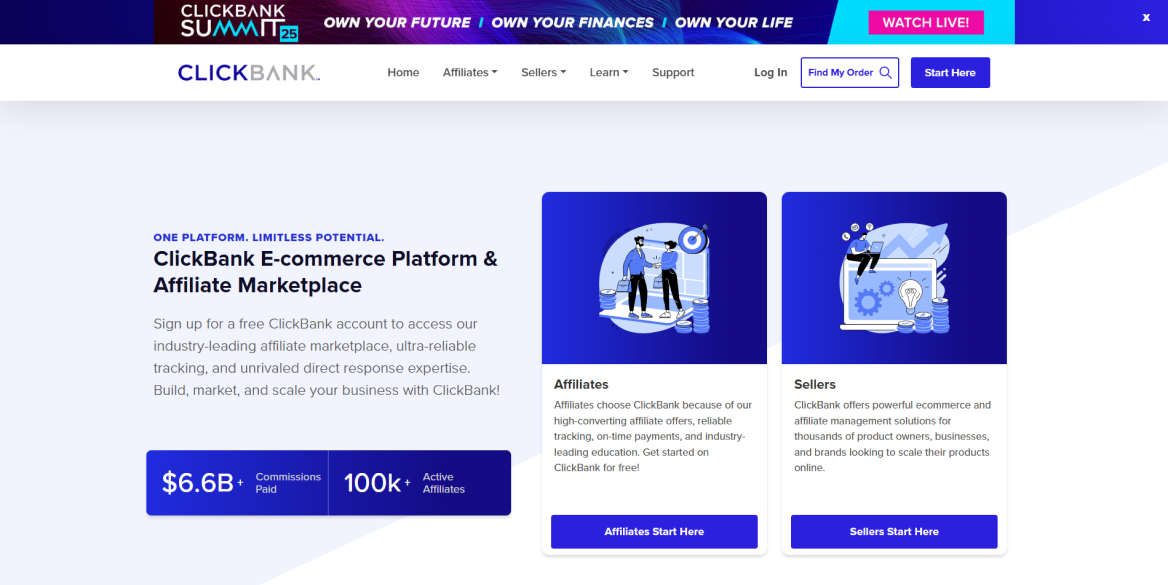
 

ClickBank is one of the most recognized and trusted affiliate networks in the Nutra industry. It provides access to a vast range of digital and physical products, including top-selling dietary supplements and health products. With millions of affiliates worldwide, ClickBank offers one of the most attractive commission structures in the industry, ranging from 50% to 75%.

Advantages:

  • High commission rates (up to 75%).
  • Reliable payments with weekly and bi-weekly options.
  • Extensive selection of Nutra products in niches like weight loss, anti-aging, and bodybuilding.
  • Robust affiliate marketing tools and analytics.

2. MaxBounty
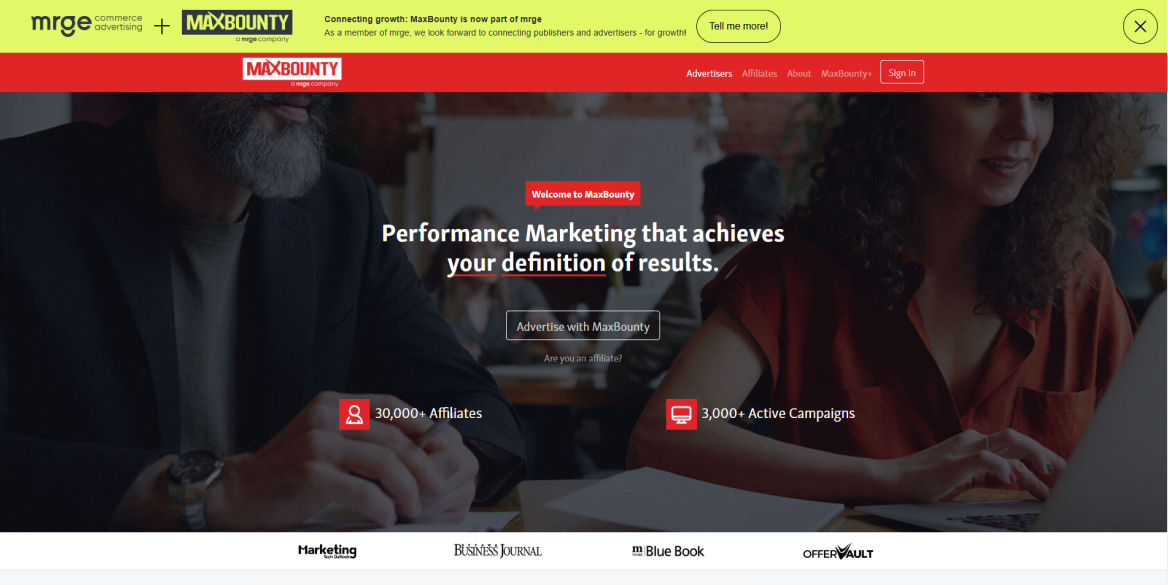
 

MaxBounty is a leading affiliate marketing network known for its high-converting Nutra offers. With a focus on performance-based marketing, MaxBounty helps affiliates promote top-tier supplements across various niches such as weight loss, skincare, and general health. Affiliates can benefit from both cost-per-action (CPA) and revenue-sharing models.

Advantages:

  • Trusted Nutra advertisers with high conversion rates.
  • Flexible commission structures (CPA, CPL, and revenue share).
  • Reliable payment schedules (weekly, bi-weekly).
  • Dedicated account managers and support.

3. AdCombo

 

AdCombo is an international affiliate network with a solid reputation in the Nutra space. Known for its diverse selection of Nutra products, AdCombo provides affiliates with high-paying offers across multiple niches such as fitness, health, and weight loss. The platform offers a variety of payout models, including CPA, CPL, and revenue share.

Advantages:

  • Wide range of Nutra offers, including top health supplements.
  • International reach with affiliates and offers from over 20 countries.
  • High-paying offers with attractive commissions.
  • Fast payments and multiple payment methods.

4. MarketHealth

 

MarketHealth is one of the pioneers in the Nutra affiliate space. With over 20 years of experience, they offer affiliates access to exclusive, high-quality health and wellness products. They specialize in weight loss, anti-aging, skincare, and other nutraceuticals. MarketHealth’s affiliate program provides competitive commission rates and solid tracking tools.

Advantages:

  • Trusted Nutra products with a history of high conversion rates.
  • Niche-specific products, such as beauty supplements and skincare.
  • Strong customer support and marketing resources.
  • Monthly payouts and flexible payment options.

5. FlexOffers
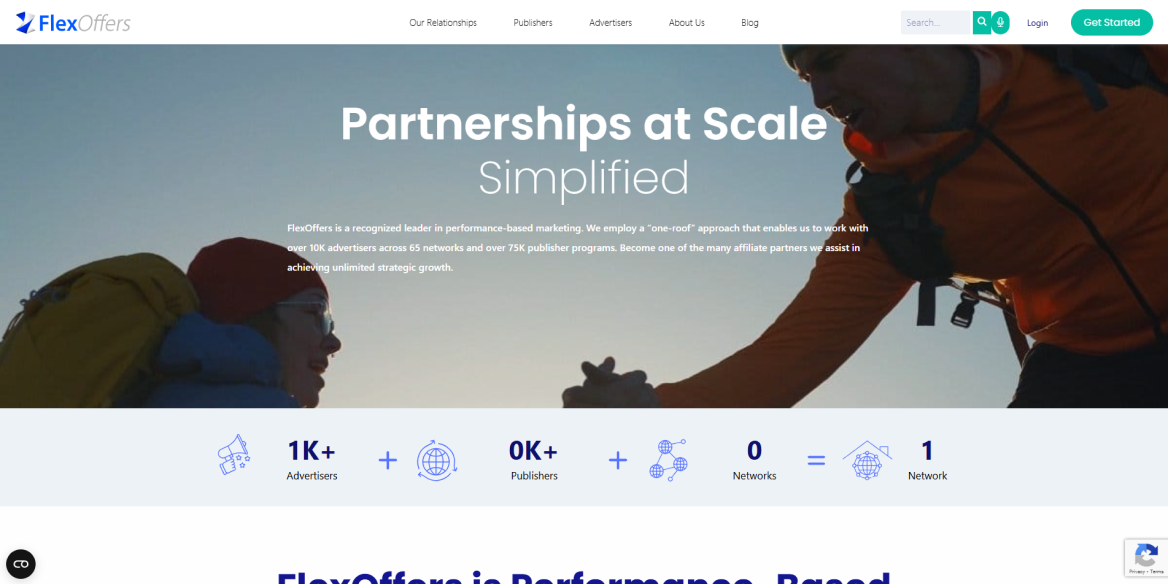
 

FlexOffers is a comprehensive affiliate marketing platform that includes a variety of Nutra products, from health supplements to wellness and fitness solutions. With a reputation for reliability and an expansive range of offers, FlexOffers provides both affiliates and advertisers with great flexibility in commission models, including CPA, CPL, and revenue sharing.

Advantages:

  • A large selection of Nutra offers, including top-selling brands.
  • High-quality tracking and reporting tools.
  • Multiple payout options (direct deposit, PayPal, checks).
  • Dedicated affiliate support team.

6. CJ Affiliate (formerly Commission Junction)
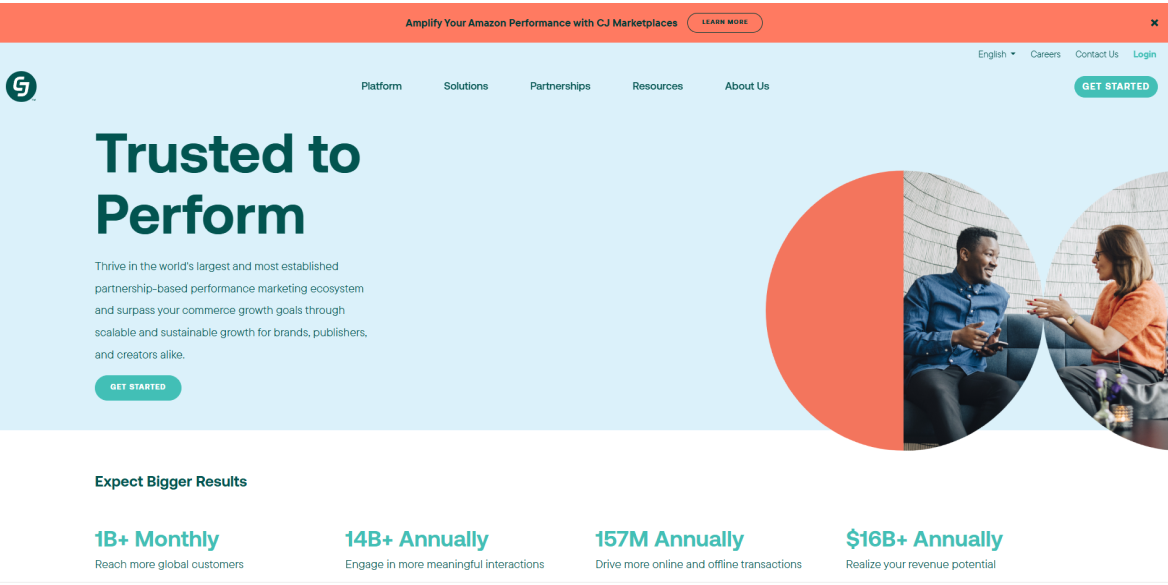
 

CJ Affiliate is one of the oldest and most respected affiliate networks. While it covers many industries, its health and wellness section, including Nutra offers, is extensive. The network partners with some of the top Nutra brands in the industry, making it a reliable source for affiliates looking to promote high-quality products.

Advantages:

  • High-quality Nutra offers from top brands.
  • Comprehensive analytics and reporting tools.
  • Multiple payment options.
  • Excellent reputation and trust with advertisers.

7. Rakuten Advertising
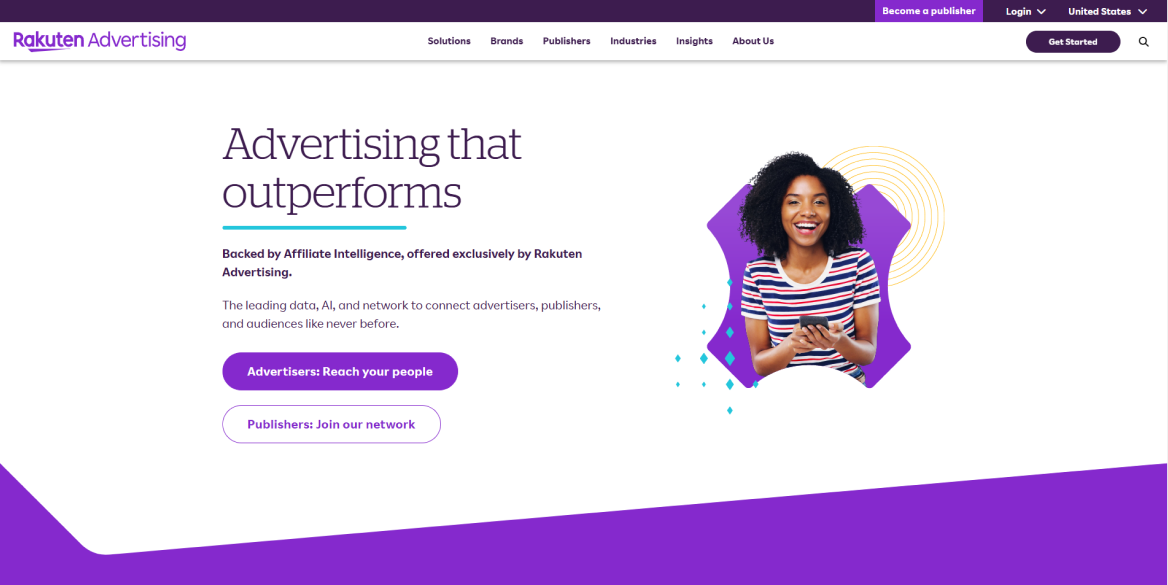
 

Rakuten is a well-established affiliate network that operates globally. While not as focused on Nutra as other networks, Rakuten does offer a selection of premium health and wellness products. Their affiliate program includes some of the top nutraceutical brands, allowing affiliates to generate income by promoting trusted products.

Advantages:

  • Trusted global network with a wide selection of Nutra products.
  • Strong focus on brand recognition and consumer trust.
  • Reliable payments and tracking.
  • Great for affiliates interested in promoting premium health brands.

8. VigLink
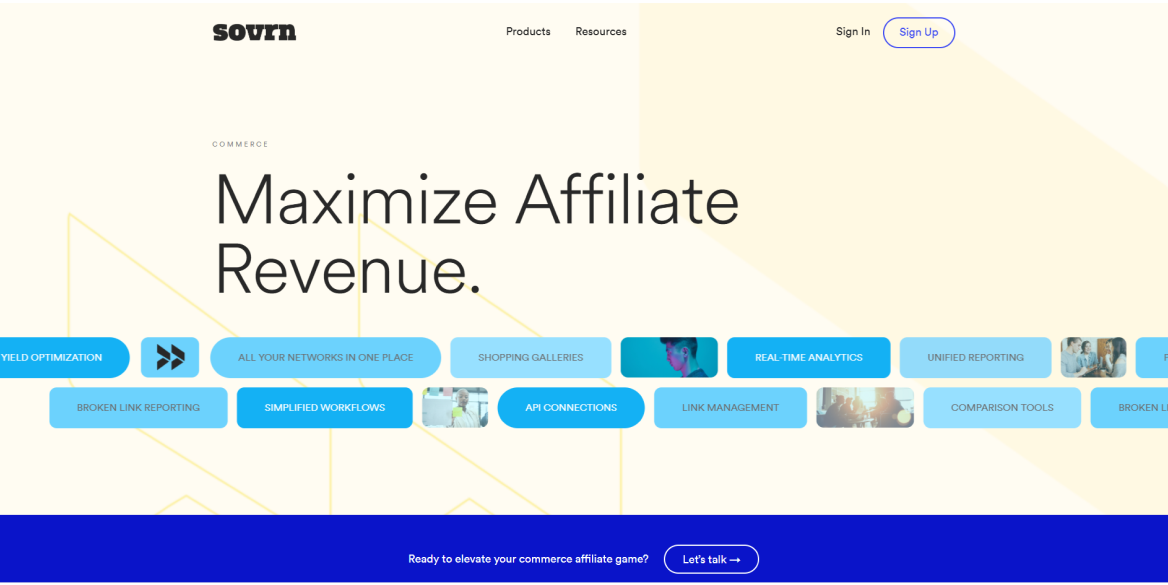
 

VigLink (now known as Sovrn Commerce) is a network that specializes in content-driven affiliate marketing, particularly for health and wellness products. VigLink provides a unique model for Nutra affiliates by enabling automatic link monetization on content-based sites, such as blogs or product reviews.

Advantages:

  • Easy integration for content-driven websites.
  • Broad range of Nutra products, including weight loss and dietary supplements.
  • Performance-based payments with a focus on content monetization.
  • Excellent for bloggers and influencers in the wellness niche.

9. PeerFly

PeerFly is another popular CPA affiliate network with a strong focus on Nutra offers. Known for its reliability and high-paying Nutra campaigns, PeerFly gives affiliates access to some of the best weight loss, anti-aging, and fitness products. The network operates globally and provides affiliates with a variety of payment methods.

Advantages:

  • Access to high-converting Nutra offers.
  • Reliable payment schedules (weekly, bi-weekly).
  • A variety of payout models, including CPA and revenue share.
  • Strong affiliate support and training.

10. Convert2Media
 

Convert2Media is a leading CPA affiliate network that offers a wide range of Nutra products. The network specializes in promoting health and wellness supplements, with a focus on weight loss, anti-aging, and fitness-related Nutra offers. With a focus on performance marketing, Convert2Media helps affiliates achieve high commissions and scale their business.

Advantages:

  • High-converting Nutra offers and campaigns.
  • Various payout options, including weekly and bi-weekly payments.
  • Excellent support and affiliate resources.
  • Strong reputation in the Nutra and health markets.

Conclusion

The Nutra industry offers incredible opportunities for affiliate marketers in 2025, with numerous affiliate networks providing lucrative offers, high commissions, and robust support. Whether you’re promoting weight loss supplements, anti-aging products, or general wellness items, these top 10 Nutra affiliate networks offer everything you need to succeed.

By choosing the right affiliate network based on your niche, target audience, and preferred payment model, you can start earning significant passive income from promoting high-quality health and wellness products. Happy marketing!

TOP 10 Gambling and Betting Affiliate Networks in 2025

The gambling and betting industry remains one of the most lucrative sectors in the online business world. If you’re considering joining the industry as an affiliate, selecting the right affiliate network can significantly impact your earnings. In 2025, there are numerous networks offering attractive deals for traffic monetization in the gambling space. Here’s our list of the TOP 10 Gambling and Betting Affiliate Networks for 2025.

1. Bet365 Affiliates


Bet365 is one of the largest and most trusted gambling platforms worldwide, offering some of the best affiliate terms in the industry. With a high conversion rate, reliable payment systems, and a wide range of gambling products such as sports betting, casino games, and poker, Bet365 Affiliates remains a leader in the market.

Advantages:

  • High commissions and bonuses for acquiring new customers.
  • Global reach with support for multiple languages.
  • Excellent reputation and reliability.

2. 888 Affiliates


888 Holdings is one of the oldest and most respected brands in the gambling industry, providing services in sports betting, online casinos, and poker since 1997. 888 Affiliates offers affiliates lucrative commission models, including CPA (Cost Per Acquisition) and revenue-sharing opportunities.

Advantages:

  • Multiple brands, including 888 Casino, 888 Poker, and 888 Sport.
  • High commissions and personalized offers for affiliates.
  • Reliable payments and detailed analytics.

3. Affiliate Edge

Affiliate Edge is one of the most popular networks for gambling affiliates, working with some of the best-known brands in the industry. They offer affiliate programs for casinos, sportsbooks, and poker, ensuring partners can earn consistent revenue.

Advantages:

  • Long-term partnerships and excellent support.
  • Flexible commission models.
  • Transparency and ease of use on the platform.

4. Commission Junction (CJ Affiliate)


Commission Junction (CJ Affiliate) is one of the largest and most well-known affiliate networks globally. While this network covers various verticals, their gambling and betting affiliate programs are among the most profitable on the market.

Advantages:

  • Large selection of advertisers in the gambling sector.
  • Flexibility in choosing monetization models.
  • Powerful analytics and reporting tools.

5. Paddy Power Affiliates


Paddy Power is a well-known betting platform that has a large user base and offers excellent affiliate commissions. The network specializes in sports betting, casino games, and poker.

Advantages:

  • Strong brands with a large audience.
  • High commissions and access to exclusive marketing materials.
  • Support for mobile betting.

6. Ladbrokes Affiliates


Ladbrokes is one of the oldest brands in the world of sports betting and gambling. Known for its reliability and attractive affiliate programs, the network offers affiliates a variety of gambling products, including sports betting, casino games, and poker.

Advantages:

  • Established brand with a significant user base.
  • A wide selection of gambling products and betting options.
  • Attractive commission structures and bonuses.

7. Unibet Affiliates


Unibet is one of the largest online gambling operators in Europe. Unibet Affiliates offers one of the best affiliate programs in the sports betting, casino, poker, and bingo sectors.

Advantages:

  • High conversion rates and personalized deals.
  • Multilingual support and a global audience.
  • Access to a diverse range of gambling products.

8. Betfair Affiliate Program


Betfair, known for its betting exchange, is one of the largest players in the online gambling market. They offer affiliate opportunities for both traditional sports betting and betting exchange services.

Advantages:

  • Unique betting exchange model.
  • High revenue share for affiliates.
  • Access to comprehensive analytics and marketing materials.

9. Sky Betting & Gaming Affiliates

Sky Betting & Gaming is one of the largest UK-based operators in sports betting and gambling, offering affiliate programs for sportsbooks, casinos, and poker.

Advantages:

  • Well-known brand with a large customer base in the UK.
  • Access to exclusive promotions and marketing tools.
  • High-quality affiliate support and commissions.

10. EveryMatrix Affiliate Program


EveryMatrix is a platform that provides software for online gambling and betting, and its affiliate network offers a wide range of monetization opportunities in the gambling space. It collaborates with many casino and sportsbook brands.

Advantages:

  • Powerful software platform for sportsbooks and casinos.
  • A large selection of gambling products for affiliates.
  • Transparent and competitive affiliate terms.

Conclusion

In 2025, the gambling and betting market continues to grow, and affiliate networks play a crucial role in this ecosystem. Choosing the right affiliate network can significantly enhance your revenue, whether you’re focused on sports betting, casino games, or other forms of online gambling. The networks listed here offer attractive terms, reliable payments, and strong affiliate support, making them ideal choices for anyone looking to build a successful business in the online gambling industry.